Column · @knoxwzwh085
Choosing Roof Colours That Balance Kerb Appeal and Heat
A roof colour changes more than the appearance of your home. It also influences how much solar energy the roof absorbs, which can affect roof-space temperatures and cooling demand. In Hawkesbury, where hot summer conditions make heat management important, the best choice balances street appeal, material performance and the way your home is insulated and ventilated.
Start with a colour family that suits your property, then compare the thermal performance of the actual roofing products. Colour names and small samples alone do not tell the whole story.

How Roof Colour Affects Summer Heat
Lighter https://cristianwkkl649.stonefielddigest.com/posts/comprehensive-roof-venting-strategies-to-stop-moisture roofs generally reflect more sunlight than darker roofs made from comparable materials. Dark charcoal and black finishes usually absorb more solar energy, increasing the roof surface temperature in direct sun. However, pigments, coatings and material properties mean two similar-looking products can perform differently.
Ask suppliers for the product’s solar absorptance: a lower value means less solar energy is absorbed. Solar reflectance measures the proportion reflected, while the solar reflectance index, or SRI, combines reflectance and thermal emittance. Compare equivalent measures rather than relying on descriptions such as “cool” or “heat-reflective”.
A reflective roof can help reduce summer heat gain, but it does not guarantee a particular indoor temperature or energy saving. Ceiling insulation, glazing, shading, air leakage and air-conditioning use all influence the result. Reduced winter solar heat gain is another consideration.
Choose Colours That Suit Hawkesbury Homes
Hawkesbury includes heritage streetscapes, established suburban homes and rural properties. A roof should complement its setting without needing to match every surrounding surface.

Coordinate With Permanent Exterior Features
Use brickwork, stone, window frames and paving as your starting point. Warm grey, muted beige and lighter earthy tones can complement warm brickwork, while pale grey can work with cooler contemporary finishes. Mid-tone colours may offer a useful visual compromise, but check their measured solar absorptance before assuming they provide strong heat reduction.
View large samples outdoors beside the walls and gutters. Check them in morning light, midday sun and shade. Roof pitch, surrounding trees and the amount of roof visible from the street all affect how dominant a colour appears.
Consider Glare and Visible Ageing
Very pale finishes can look brighter across a large roof than on a sample. Consider neighbouring windows and ask about low-gloss options where appropriate. Tree debris, dust, biological growth and weathering can also change appearance, so review cleaning requirements and coating warranties.
Pair Colour With Insulation and Ventilation
Roof colour works best as part of a whole-home heat-management plan. Check ceiling insulation coverage and condition before spending money on accessories. Gaps, compression and poorly insulated ceiling access hatches can undermine comfort.
Among common attic cooling methods, reflective roofing and suitable roof-space ventilation can support attic heat reduction. However, advanced ventilation techniques should follow a building-specific assessment rather than a simple “more vents is better” approach.
For attic ventilation installation or attic ventilation repair, ask how intake and exhaust openings work together. In Australian homes, this space is usually called the roof space rather than the attic. Customized roof ventilation must also account for condensation, wind-driven rain and any applicable bushfire requirements.
Check Roof Condition Before Changing Its Colour
A colour change should not conceal underlying problems. Arrange comprehensive roof maintenance or a condition inspection to identify leaks, corrosion, damaged tiles, failed flashings and deteriorated fixings. Complete necessary repairs before considering a coating.
Advanced painting techniques only deliver useful results when the preparation, primer and coating suit the existing substrate. Not every metal roof or tile product is suitable for repainting, and coatings do not replace structural repairs. For comprehensive roof replacement, compare factory-finished products, installation requirements and warranties alongside colour.
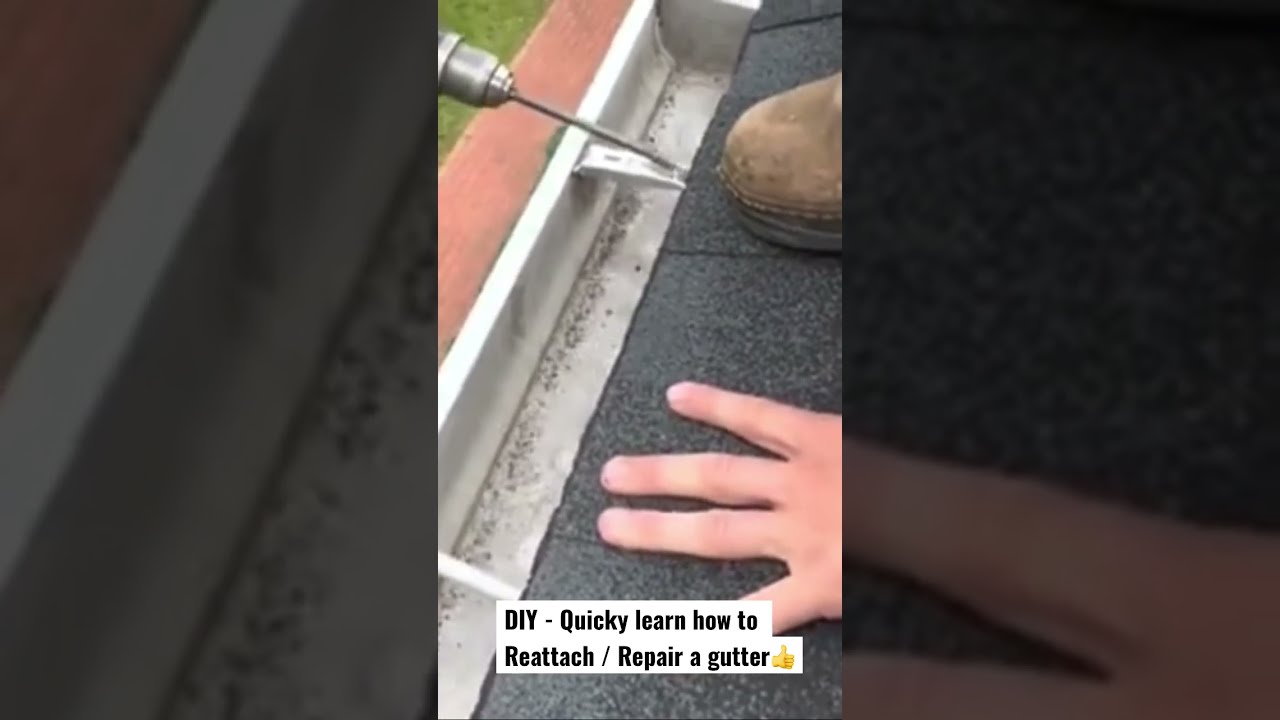
Check drainage at the same time. Damaged gutter repair and correctly sized downpipes help protect fascias and walls. Advanced gutter solutions should address rainfall capacity, overflow provisions and leaf exposure, not simply match the new roof finish.
Confirm Local Requirements Before Ordering
Before committing, check with Hawkesbury City Council or your certifier about approval requirements, heritage controls and any restrictions affecting your property. On bushfire-prone land, roofing details and ventilation openings may require particular construction measures.
Where BASIX applies to the proposed work, confirm that the selected roof product and colour match the approved thermal specifications. Do not assume a last-minute colour substitution has the same performance.
A Practical Roof Colour Checklist
- Shortlist colours that complement your walls, gutters and surroundings.
- Compare published solar absorptance or equivalent thermal data.
- Inspect large samples outdoors at different times of day.
- Assess insulation, ventilation, roof condition and drainage together.
- Confirm approvals, product compatibility and written warranty terms before ordering.
The right roof colour looks appropriate and supports year-round comfort. For a Hawkesbury property, a lighter or verified lower-absorptance finish is worth considering, backed by sound insulation, suitable ventilation and properly maintained roofing.
Top Hawkesbury Roofer
Bells Line of Rd, Kurmond NSW 2757, Australia
(02) 4503 4545